
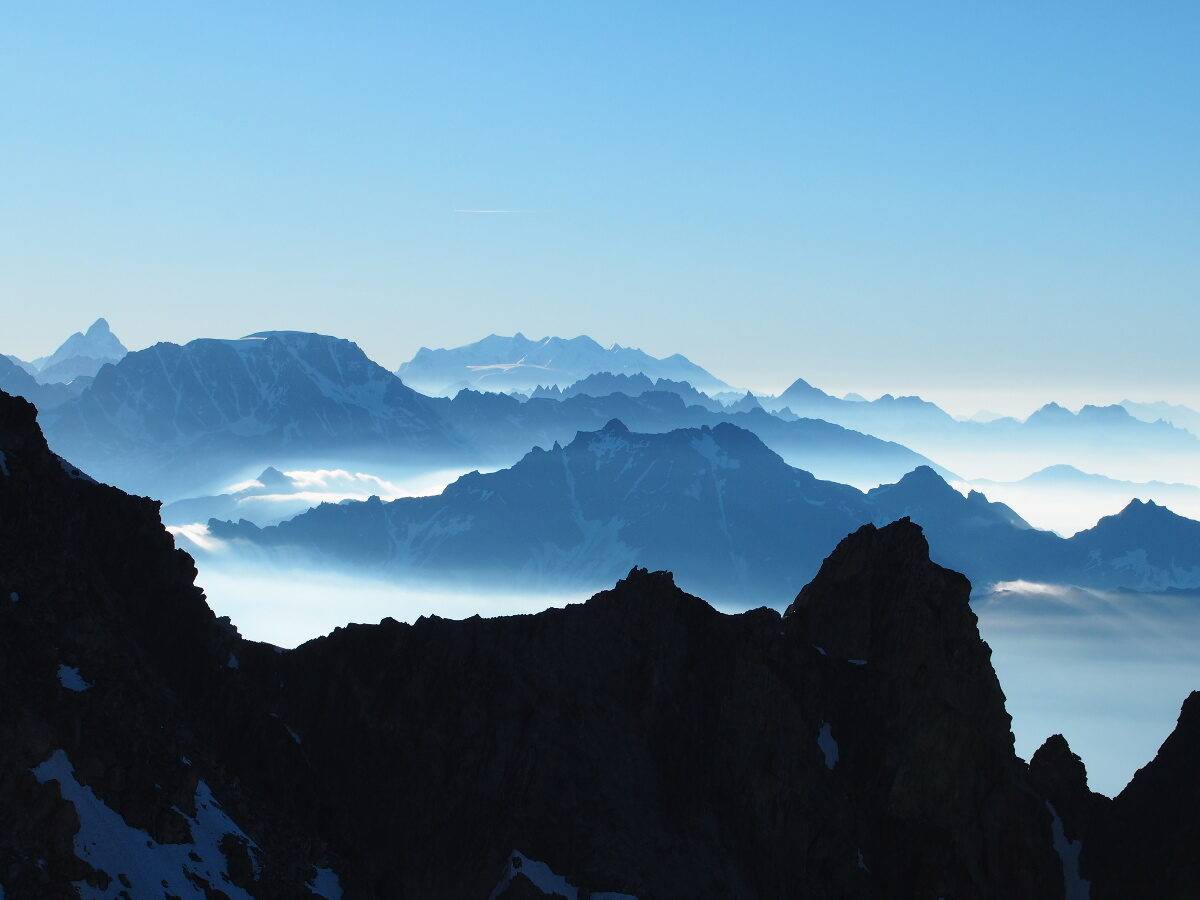
The Matterhorn (4,478 m) is the mountain everybody knows – and that is exactly why it is often underestimated. It is not a hiking peak but a long, serious alpine climb on rock, snow and ice. The good news: with the right preparation, the summit is a realistic goal for fit, experienced mountaineers.
The requirements in short
- Stamina: a long summit day with well over 1,000 metres of ascent and descent, almost entirely on climbing or scrambling terrain
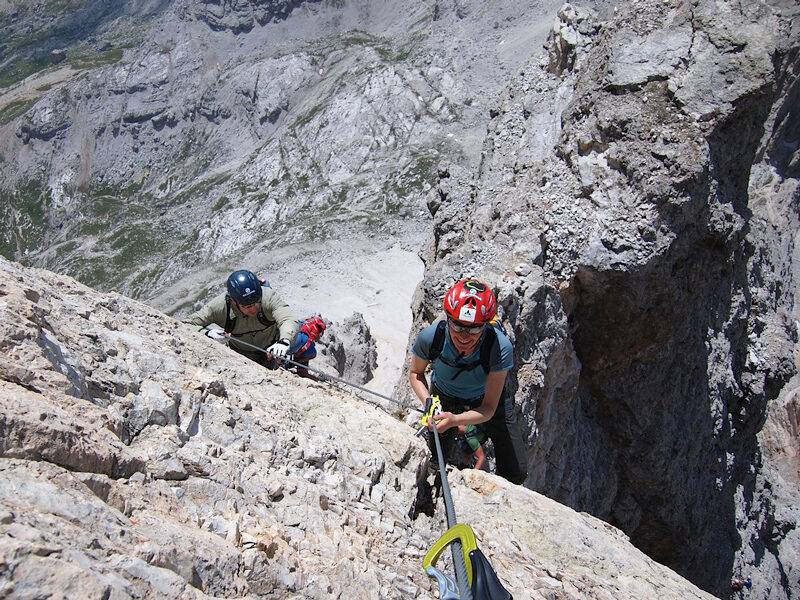
- Climbing: moving confidently on grade III in mountain boots, downhill too – and quickly
- Crampons: walking on mixed ground of rock, snow and ice
- Altitude: good acclimatisation, as much of the route is above 4,000 m
On the Matterhorn pace is everything. If you hesitate for long on easy ground, you run out of time. That is why, for safety reasons, I always guide just one client here.
Hörnli ridge or Lion ridge?
The Hörnli ridge from the Swiss side is the classic normal route. The Lion ridge from the Italian side is a bit harder and longer, with lots of fixed ropes and a magnificent line – we usually descend via the Hörnli. We decide together which option suits you.
How to prepare
- Build stamina: from spring onwards, regular long mountain days with 1,200–1,500 m of ascent – ideally carrying a pack.
- Climb in boots: Dolomite normal routes such as the Cima Grande or the Sassolungo are ideal training for terrain, exposure and route finding.
- Alpine experience: a few 4,000 m peaks or big alpine tours first, for example the Ortler or Piz Bernina via the Biancograt.
- Acclimatise: in the days before the Matterhorn, at least one night at altitude and one 4,000 m peak to adjust.
An honest assessment
The best thing is to tell me about your previous climbs. I often suggest a preparation day or tour together first – that way we get to know each other and both know whether the Matterhorn is the right goal this summer. Dates in the short season (July to September) are in high demand, so it pays to ask early.